.jpeg)
Responds to immediate need, often with good intent, but impact can remain scattered, hard to compare and difficult to renew through evidence.
Portfolio Logic
The philosophy becomes a filter.
Road to Bankability turns annual CSR allocation into a disciplined portfolio. Each initiative must show whom it helps, what asset or capability it builds, how delivery is governed, and how it improves visibility, resilience or formal inclusion.
Selects fewer, clearer initiatives that build capability, assets, records and shared infrastructure — with credible partners and visible pathways into formal systems.
The question is not only how much is spent. It is whether each project helps households, cottage enterprises and small producers become safer, more visible and better connected to formal pathways.
From giving to building. From activity to assets. From good work to a road people can travel.
Delivery Routes
Four routes. One filter.
Each route must pass the same test: does it help people become more secure, more visible and better prepared for responsible participation in the formal economy?
01
Buffer against shocks
Health, WASH, SRHR and family-resilience interventions that protect working capital and keep household progress from being reversed by shocks.
02
Records and readiness
Skills, financial literacy, digital behaviour and enterprise support that help young people and cottage enterprises move from informal effort to recognised capability.
03
Assets that lower cost
Clean energy, WASH, aggregation and common infrastructure that reduce recurring costs and make small producers less exposed to climate and price stress.
04
Identity and public value
Cultural platforms that strengthen public memory, community pride and the softer infrastructure of trust that makes inclusion feel human.
Good CSR helps. Great CSR leaves households, cottage enterprises and small producers more able to stand, trade, record and grow.
2025 Proof of Delivery
Proof that the filter can work.
The 2025 portfolio shows where Road to Bankability already appears in practice: skills, health access, clean energy, youth capability and care infrastructure.
Selected proof point
UNFPA
Komlaphul Pharmacy
Female pharmacy associate training for girls across multiple districts.
Impact
120 girls
trained as female pharmacy associates across multiple districts.
Delivery signal
Completed
Women | Health | Inclusion
Budget: 99 lacs
Impact: 120 girls
Completed
.jpeg)
01 / 04
99 lacs
Female pharmacists increase trust, expand access to essential healthcare and strengthen community wellbeing.
Allocation Discipline
Aligned allocation. Clearer purpose.
The portfolio remains mapped to Bangladesh Bank’s CSR guideline split, while each category is interpreted through the Road to Bankability filter: capability, wellbeing, resilience and civic trust.
100%
Aligned
Education30%
Health30%
Environment20%
Others20%
Scale Pathway
From annual spend to portfolio growth.
Growth should not simply mean a larger budget. It should mean stronger project filters, clearer evidence and more durable pathways into security.
Establishing the base for a larger 2027–2028 Road to Bankability portfolio.
Proof base
Disciplined growth
Scale
Portfolio target
2025
11.2 Cr
2026
12 Cr adjusted
2027
22 Cr
2028
25 Cr
Transition to Scale
Good CSR helps. Great CSR leaves people more able to stand, trade, record and grow.
2026 Outlook
A 12 crore portfolio, mapped to the filter.
The 2026 plan keeps regulatory allocation discipline visible, but lowers the Board question to one test: what condition for lasting inclusion does this build?
The portfolio is not measured only by what it funds, but by what it leaves behind: assets, records, resilience and trust.
Budget envelope
Keep the allocation discipline visible without turning the page into a finance table.
Condition built
Read each category by the capability, security, resilience or civic trust it creates.
Renewal question
Renew projects that build assets, records, visibility and durable delivery evidence.
Education | 30%
Capability
3.6 CrCommitted: 3.14 Cr
Open envelope: 0.46 Cr
2026 focus: Financial Literacy Program
Builds financial capability through district-level workshops.
Health | 30%
Household security
3.6 CrCommitted: 1.865 Cr
Open envelope: 1.735 Cr
2026 focus: Komlaphul Phase 2, Swapnojatra
Protects household continuity through SRHR services, pharmacy training and referral systems.
Environment | 20%
Climate resilience
2.4 CrCommitted: 1.915 Cr
Open envelope: 0.485 Cr
2026 focus: Tea Garden WASH, FLOW Initiative
Lowers recurring costs through WASH, clean energy, river health and climate resilience.
Others | 20%
Civic trust
2.4 CrCommitted: 1.86 Cr
Open envelope: 0.54 Cr
2026 focus: Culture, public memory and civic trust
Bankability condition: Cultural infrastructure that strengthens identity, public value and belonging.
2026 Projects
The next layer of bankability.
2026 delivery is easier to read when each project is treated as a condition-builder: protecting health, strengthening records, lowering cost, reducing climate exposure or deepening civic trust.
.jpeg)
Oxfam | Environment
Tea Garden WASH Initiative
Improving equitable and sustainable access to safe drinking water and sanitation for tea garden workers in Jangalbari Tea Estate, Sreemangal.
Budget: 52.5 lacs465 hectares
5 solar dug wells, 5 shallow tube wells, 37 latrines, and 8 cloth changing and bathing centres.

Bangladesh Bank | Education
Financial Literacy Program
A BB-mandated FinLit programme across 64 districts, designed around tier-wise target groups and phased coverage.
Budget: 32 lacs128 workshops
Years 1–3: Tier 1. Years 4–5: Tier 1 and Tier 2. Years 6–7: Tier 1, Tier 2 and Tier 3.
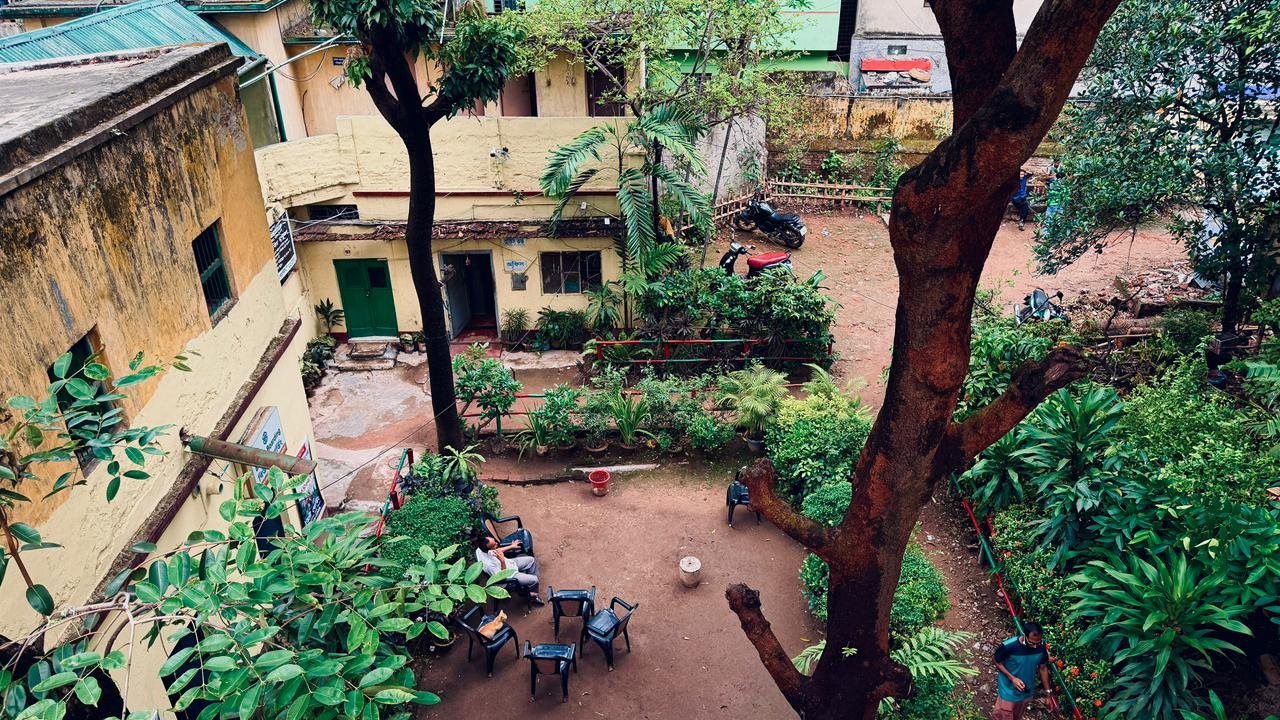
Culture | Heritage
Beauty Boarding Renovation
Restoring a cultural landmark as part of City Bank’s identity, legacy and public engagement track.
Culture track2026 project
A heritage-focused intervention that strengthens cultural infrastructure, public memory and long-term identity.
UNFPA | Health
Komlaphul Pharmacy Phase 2
Expansion of the female pharmacists programme into Savar, Narayanganj, Satkhira, Pirojpur, Natore and Rajshahi.
Budget: 84.5 lacs120 girls
Builds on previous locations: Dhaka, Khulna, Bagerhat, Gaibandha and Sirajganj.
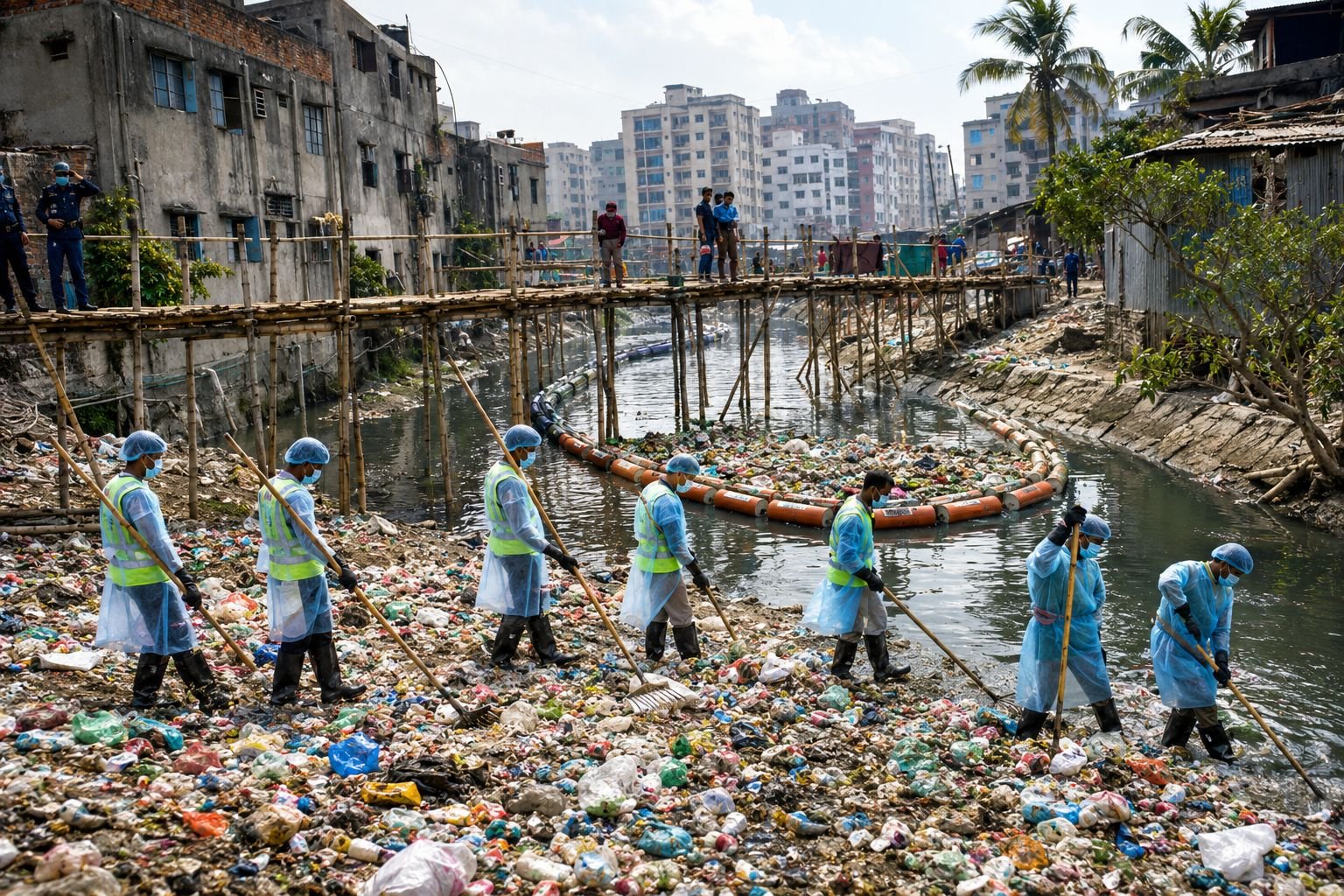
RedOrange | Environment
FLOW Initiative
Plastic-free waterways intervention in Dhaka.
Location: DhakaUpcoming project #4
A waterway-focused environmental intervention aligned with the 2026 environment bucket.
.jpeg)
Project Green Flame | Environment
Green Flame Phase 2
Scaling the clean-cooking and bio-slurry model through subsidised biodigesters, household biogas access and organic fertiliser production.
Budget: 1 CrClean energy + bio-slurry
Builds on the first phase in Bogura and Sirajganj, linking rural households, clean fuel, slurry collection and organic fertiliser into one circular model.
.jpeg)
UNFPA | Health
Swapnojatra
Increasing access to comprehensive midwifery-led SRHR services in Dhaka, while strengthening awareness and referral systems.
Location: DhakaUpcoming project #5
Enhances community awareness, promotes healthy pregnancies and childbirth, and operationalises referral and linkage systems.
Governance + Partners
Partners that make the portfolio governable.
Road to Bankability depends on delivery partners that can reach households, cottage enterprises and small producers with credibility, evidence and continuity.
Portfolio filter
Select, govern, renew.
Select
Every project should show the asset, record, capability or infrastructure it builds.
Govern
Every partner should be able to deliver, document, protect and report responsibly.
Renew
Progress should be reviewed through visibility, resilience and pathway-to-formality indicators.
.jpeg)
.jpeg)
.jpeg)
.jpeg)
.jpeg)
.jpeg)
.jpeg)
.jpeg)
.jpeg)
.jpeg)